
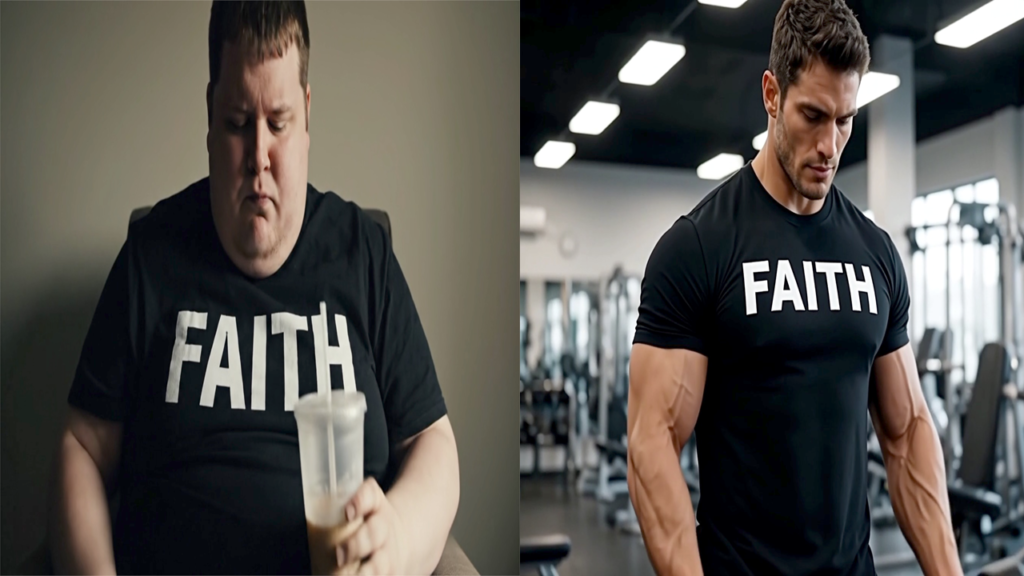
Here we are again. That familiar stretch of the calendar where one year quietly slips away and another one stands wide open in front of us, full of promise, hope, and good intentions. This is the season of New Year’s resolutions. It happens like clockwork. People take inventory of their lives and decide what needs to change. Some want to eat better. Some want to quit bad habits. Others commit to a new diet. But overwhelmingly, the number one resolution people make is this: I’m going to exercise more.
Some want to get toned. Others want to feel better. Most people only want to look good in summer clothes. So, they sign up for gym memberships, buy expensive exercise equipment, download fitness apps, or binge-watch workout systems that promise quick results. January starts off strong. Motivation is high. The vision is clear. But now that we’re well into the month, reality has set in. The soreness kicked in. The schedules got busy. The enthusiasm faded. And for many people, the routines they swore they would stick to have already been abandoned.
To be clear, most of us do need to exercise more. Yours truly would be the first one to admit that. Physical health matters. Our bodies are gifts from God, and we are called to steward them well. But while we focus so much energy on our physical bodies, many of us quietly neglect something far more important: our spiritual condition.
We will dedicate hours a week to sculpting muscles that will fade with time, yet struggle to spend a few consistent minutes strengthening our faith. We will track calories, reps, and steps, but rarely track our prayer life, our time in the Word, or our closeness to God. And the truth is, you can be physically fit and spiritually weak at the same time. You can look strong on the outside and still be worn down, discouraged, and empty on the inside.
At the start of every year, many churches recognize this imbalance. Some begin the year with focused prayer. They challenge their congregations to pray for a certain number of minutes a day or to commit to prayer for 20 or 30 days straight. Others encourage reading devotionals or participating in fasts. All of this is good. But what we really need is a mindset shift. We need to stop seeing spiritual growth as an occasional seasonal challenge and start treating it like spiritual exercise, something we do consistently, intentionally, and faithfully.
Faith, like muscles, grows through use. If you never exercise a muscle, it weakens. If you only use it once in a while, it never develops strength. But if you show up regularly, even when it’s uncomfortable or inconvenient, growth happens. The same is true spiritually. Building spiritual muscles does not happen overnight. It happens through small, faithful, repeated actions done over time.
So what does that look like practically? How do we begin exercising our faith in a way that leads to real growth and lasting transformation?
The first way is simple, yet often neglected: consistent prayer. Not rushed prayers. Not emergency prayers only when things fall apart. But intentional, daily conversation with God. Prayer is how we breathe spiritually. It is how we stay connected to the source of our strength. Just as your body weakens without oxygen, your spirit weakens without prayer. Start where you are. Five minutes can turn into ten. Ten can turn into thirty. God is not impressed by the length of our prayers as much as He is moved by the sincerity of our hearts. Consistency matters more than intensity at the beginning.
The second way to build spiritual muscles is spending time in God’s Word. Scripture is spiritual nourishment. You cannot grow strong on junk food, and you cannot grow spiritually on shallow inspiration alone. God’s Word renews the mind, corrects our thinking, and anchors us in truth when emotions try to take over. Reading the Bible does not have to be complicated. Start with a plan. Read a chapter a day. Meditate on a verse. Let the Word read you as much as you read it. Over time, you will notice your thoughts changing, your reactions softening, and your perspective aligning more with God’s heart.
Third, we must practice obedience in the small things. Spiritual strength is built when we do what God says even when it is uncomfortable. Forgiving when we would rather hold a grudge. Speaking truth in love instead of staying silent. Walking away from habits that quietly pull us away from God. Obedience is spiritual resistance training. It stretches us. It challenges us. But it produces maturity and depth that comfort alone never will.
The fourth way to exercise your faith is through worship and gratitude. Worship shifts our focus from ourselves to God. Gratitude reminds us of His faithfulness. When life feels heavy, worship lifts the weight. When discouragement creeps in, gratitude restores perspective. You may not always feel like worshiping, just like you may not always feel like exercising, but showing up changes you. Over time, worship softens your heart and strengthens your trust in God.
The fifth and final way to grow spiritually is through community and accountability. No one gets strong alone. Just as workout partners help keep us motivated, godly relationships help us stay spiritually focused. We need people who can pray with us, encourage us, challenge us, and remind us of who we are when we forget. Faith was never meant to be lived in isolation. God uses community to sharpen us, heal us, and keep us grounded.
None of these suggestions are flashy. They do not promise instant results. They require discipline, patience, and commitment. But they work. And just like physical exercise, the results sneak up on you. One day you look back and realize you are not reacting the way you used to. You are not as anxious. You are not as easily shaken. Your faith feels stronger. Your relationship with God feels deeper. Your peace feels more secure.
If you commit to exercising your spiritual muscles the way many people commit to physical fitness in January, something powerful will happen. If you stay consistent, you will not recognize yourself this summer. And even more so, you will not recognize yourself this time next year. You will be stronger in the Word of God. Your faith will be more resilient. Your relationship with God will be deeper, steadier, and more authentic. Physical muscles may fade with time, but spiritual muscles grow with eternity in mind. Invest wisely. Train faithfully. And watch how God transforms you from the inside out.
By
G. Edward Wyche